
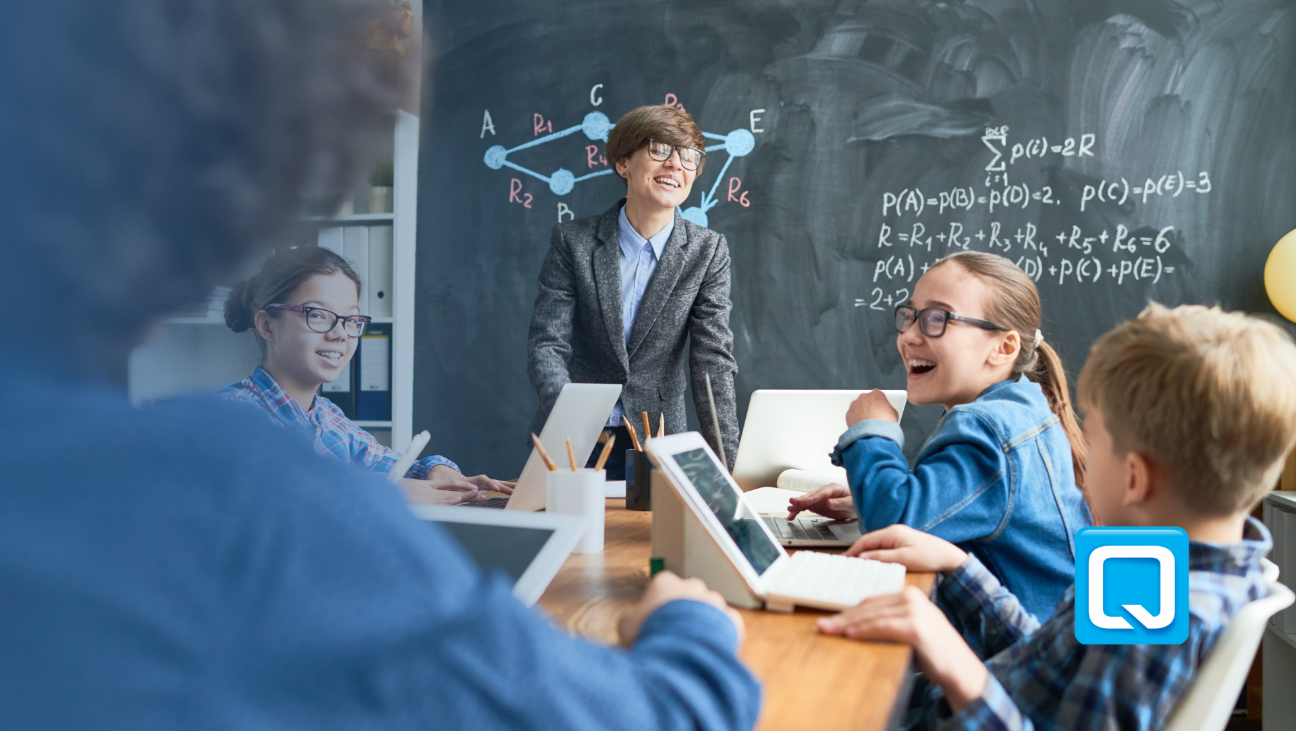
How technological tools are transforming learning for students with special needs
Educational inclusion is an essential topic in today's world. With the growing diversity of students in classrooms, it is imperative that schools and educational institutions adopt approaches that ensure the participation of all students, regardless of their abilities, special needs, or diagnoses. In this context, technology has proven to be a powerful and versatile ally, providing tools that facilitate inclusion and promote a more accessible and personalized learning environment.
A recent study conducted by the Ministry of Education in partnership with federal universities revealed that the implementation of assistive technology in Brazilian public schools has a significant impact on the education of students with different profiles. The project, which involved more than 200 schools in different regions of the country, used devices such as digital whiteboards, tablets with adaptive software, and augmentative communication systems.
The results showed a 35% increase in student engagement and a 28% improvement in assessment scores. In addition, teachers reported that the technologies helped create a more inclusive and collaborative environment, where all students, regardless of their stage of development, were able to actively participate in school activities.
Technology as a facilitator of inclusion
Technology has the potential to break down barriers that have traditionally hindered access to personalized education for each student. Technological tools can be adapted to suit a wide range of teaching and learning scenarios, such as cognitive, motor, or sensory difficulties. Through interactive software and devices, students can participate in educational activities more actively and independently.
Benefits of Technology in Inclusive Education
Engagement and Motivation: Interactive technology captures students' attention and increases their engagement in learning. Tools such as the Digital Table and Quinyx Interactive Displays make educational activities more dynamic and stimulating, encouraging active student participation.
Personalization of Learning: Each student has a unique learning style. Technology allows educators to personalize content and activities according to students' individual needs, ensuring that everyone has the opportunity to learn effectively.
Accessibility: Assistive technologies combined with good mediation ensure that students with reports or diagnoses have personalized access to educational content. These tools help create an inclusive learning environment where all students can develop and be protagonists in the teaching-learning process.
Social Skills Development: Collaborative tools promote group work and social interaction among students. This is especially beneficial for students with communication difficulties, as they can develop their social skills in a supportive environment.
Technology has the power to transform inclusive education by providing a more accessible, personalized, and engaging learning environment. Quinyx's innovative solutions, such as the Digital Table, Interactive Displays, and Digital Whiteboards, demonstrate how technology can be used to meet the diverse needs of students. By integrating these tools into the educational environment, we can ensure that all students, regardless of their abilities, have the opportunity to reach their full potential.